Future Renewable Energy Investments ( 196 )
COUNTRY NAME: International
Introduction to Future Renewable Energy Investments
The world is shifting towards renewable energy sources at an unprecedented pace. As concerns over climate change, energy security, and sustainability continue to grow, future renewable energy investments are expected to play a pivotal role in reshaping the global energy landscape. This article delves into the current state of renewable energy, future prospects, and the key drivers behind the surge in investments in this sector.
Renewable energy, which includes solar, wind, hydro, geothermal, and biomass, has become increasingly competitive with fossil fuels in many parts of the world. Advances in technology have led to a significant decrease in the cost of renewable energy production, making it more viable for both developed and developing countries to adopt cleaner energy sources. Furthermore, governments worldwide are implementing policies to encourage the transition to renewable energy, aiming to reduce greenhouse gas emissions and meet international climate commitments.
Market Overview
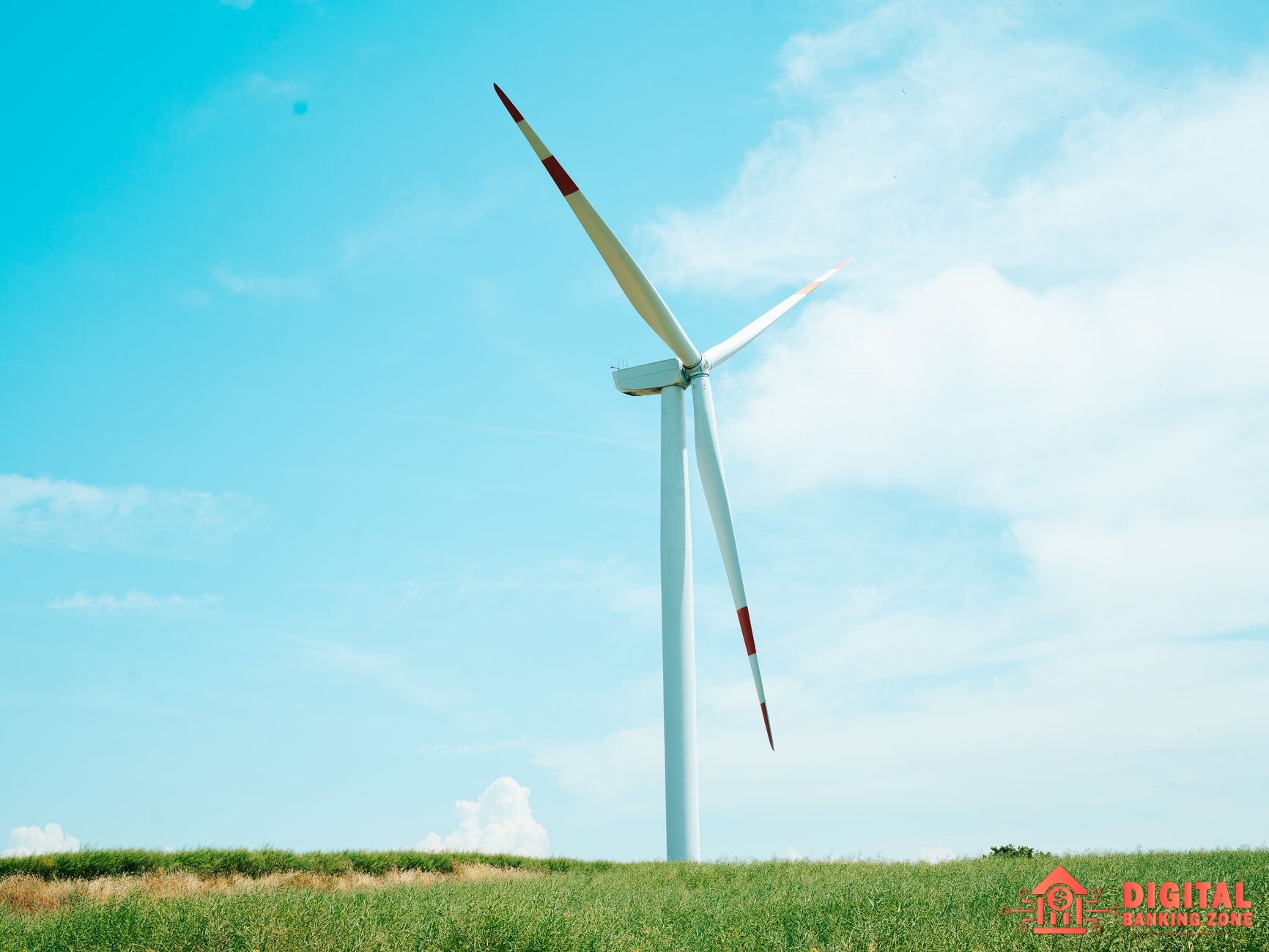
The renewable energy market has experienced remarkable growth over the past decade. Solar and wind power have been the leaders in this expansion, with solar energy seeing the most rapid growth due to the plummeting costs of solar panels. The cost of solar energy has fallen by over 70% in the last decade, making it competitive with coal and natural gas in many regions. Similarly, the cost of wind energy has also decreased, albeit not as dramatically as solar, but still significantly enough to attract substantial investment.
Investments in renewable energy have been on the rise, with billions of dollars being poured into new projects every year. This trend is expected to continue as more countries set ambitious renewable energy targets. For example, the European Union has set a goal of becoming carbon neutral by 2050, which will require a massive expansion of its renewable energy capacity. Similarly, countries like the United States, China, and India are also aiming to increase their use of renewable energy, driven by both environmental concerns and energy security needs.
Key Insights
Several key insights emerge from the current trends in renewable energy investments. First, the decline in technology costs is a critical factor driving the growth of the renewable energy sector. As technology continues to improve and economies of scale are achieved through mass production, the cost of renewable energy is expected to decrease further, making it even more competitive with fossil fuels.
Second, policy and regulatory frameworks play a crucial role in encouraging investments in renewable energy. Governments can create favorable conditions for investment through tax incentives, feed-in tariffs, and auctions for renewable energy projects. Stable and predictable policies are essential for attracting long-term investments in the sector.
Third, the integration of renewable energy into the grid and ensuring energy storage are becoming critical issues. As the share of renewable energy in the energy mix increases, there will be a need for advanced grid management systems and energy storage technologies to address intermittency issues. Investments in these areas are expected to grow significantly in the coming years.
Analysis
An analysis of future renewable energy investments reveals a promising outlook. The sector is expected to attract trillions of dollars in investments over the next few decades, driven by the need to combat climate change, improve air quality, and enhance energy security. The growth will be driven not only by developed economies but also by emerging markets, where there is a large potential for renewable energy deployment.
However, challenges also exist. The transition to a renewable energy-based economy will require significant changes in infrastructure, technology, and consumer behavior. Moreover, the intermittency of renewable energy sources poses technical challenges that need to be addressed through innovation and investment in energy storage and smart grid technologies.
In conclusion, future renewable energy investments are poised to revolutionize the way we produce, distribute, and consume energy. With the right policies, technologies, and investments in place, the world can transition towards a cleaner, more sustainable energy system. This transition will not only help in mitigating climate change but also create new economic opportunities, improve public health, and enhance energy security.
Future Outlook
The future of renewable energy investments looks promising, with many countries committing to increase their use of renewable energy sources. The cost of renewable energy is expected to continue to decrease, making it more competitive with fossil fuels. Additionally, advancements in technology, such as energy storage and smart grid systems, will play a crucial role in the widespread adoption of renewable energy.
Investors are also becoming more interested in renewable energy, with many seeing it as a lucrative and sustainable investment opportunity. The growth of renewable energy is expected to create new job opportunities, stimulate local economies, and contribute to a cleaner and healthier environment. As the world continues to transition towards a low-carbon economy, the demand for renewable energy is expected to increase, driving further investments in the sector.
Moreover, the development of new technologies, such as floating wind turbines and advanced solar panels, is expected to further boost the growth of the renewable energy sector. These innovations will enable the deployment of renewable energy in new and previously inaccessible areas, such as offshore wind farms and remote communities.