Future Renewable Energy Market ( 171 )
COUNTRY NAME: International
Introduction to Future Renewable Energy
The world is shifting towards a more sustainable and environmentally friendly approach to energy production, with future renewable energy being at the forefront of this movement. Renewable energy sources, such as solar, wind, and hydroelectric power, are becoming increasingly important as the world tries to reduce its reliance on fossil fuels and mitigate the impact of climate change. In this article, we will explore the current state of the renewable energy market, key insights into the industry, and provide an analysis of the future of renewable energy.
Market Overview
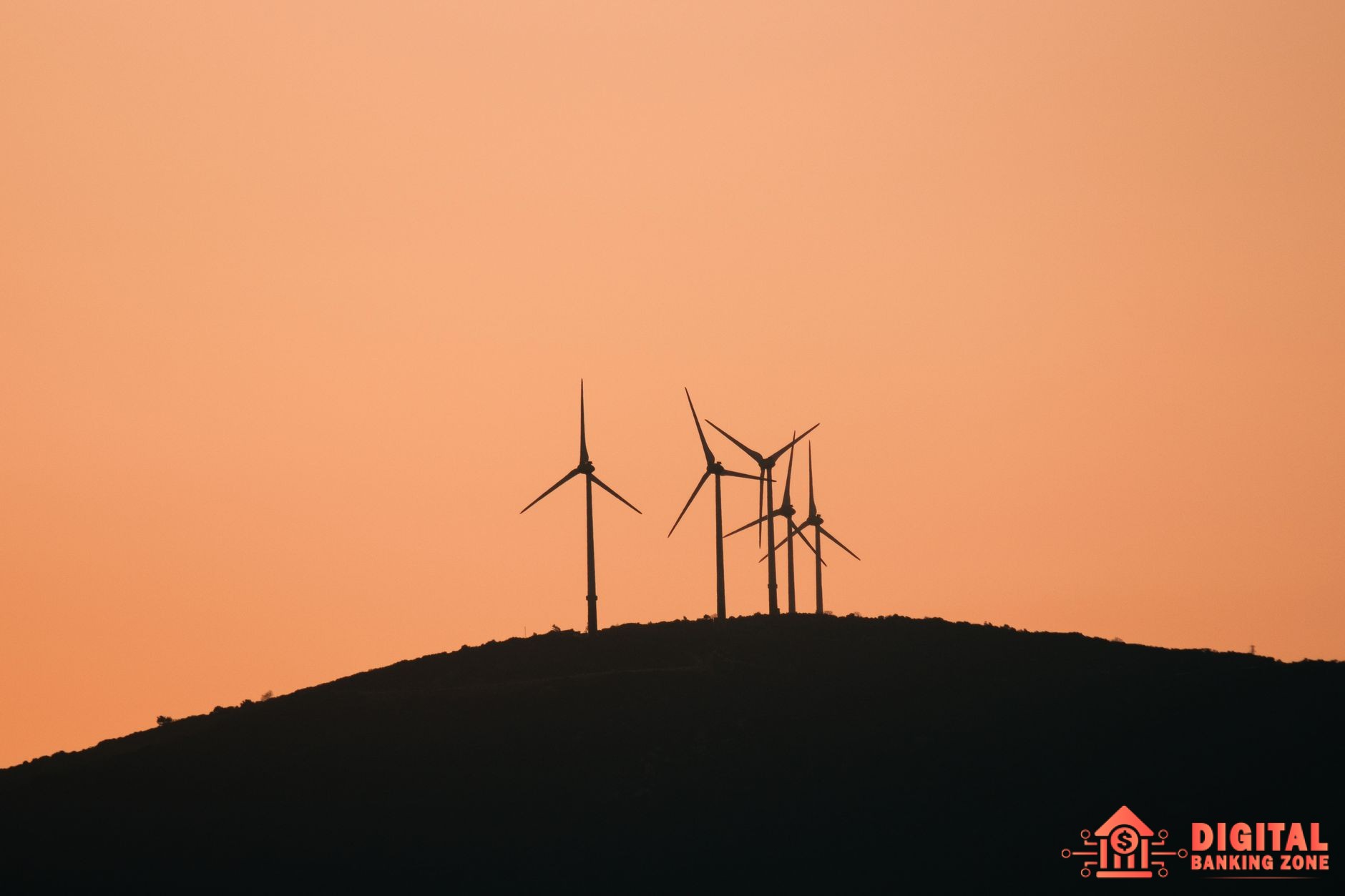
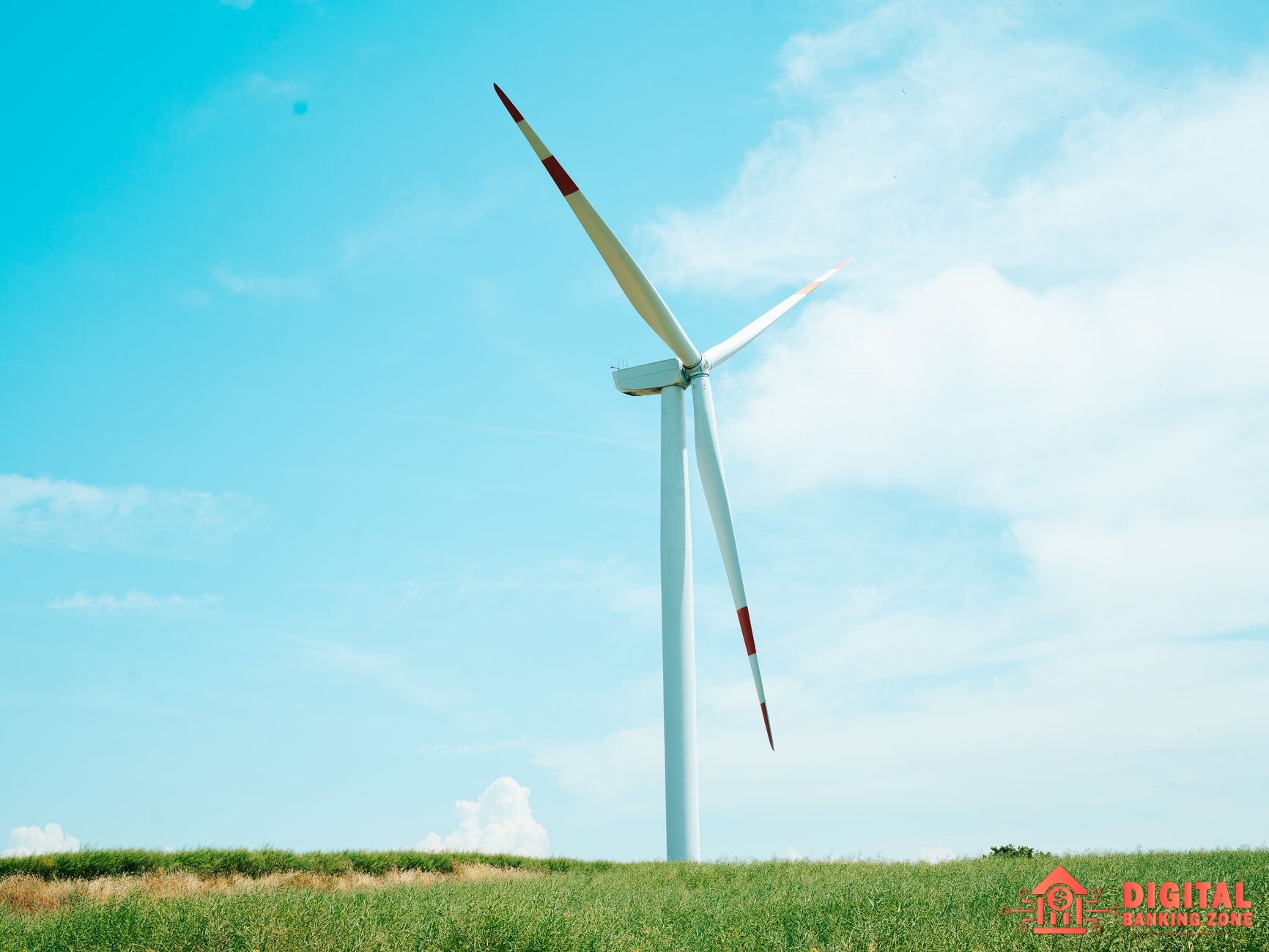
The renewable energy market has experienced significant growth over the past decade, with the global renewable energy capacity reaching over 2,500 gigawatts in 2020. This growth can be attributed to the decreasing cost of renewable energy technologies, government incentives, and increasing demand for clean energy. The solar energy sector has been one of the fastest-growing segments, with solar panel prices declining by over 70% in the last decade. The wind energy sector has also seen significant growth, with the installation of new wind turbines increasing by over 10% annually.
The renewable energy market is expected to continue growing, with the International Energy Agency (IEA) predicting that renewable energy will account for over 60% of the world's power generation by 2050. This growth will be driven by the increasing adoption of renewable energy technologies, improvements in energy storage, and the development of smart grids. The market is also expected to become more competitive, with new entrants and innovative business models disrupting the traditional energy landscape.
Key Insights
One of the key insights into the renewable energy industry is the importance of energy storage. As the world becomes more reliant on intermittent energy sources, such as solar and wind, the need for energy storage solutions becomes increasingly important. Companies such as Tesla and LG Chem are at the forefront of the energy storage market, with their lithium-ion battery technologies being used in a wide range of applications, from residential homes to large-scale industrial projects.
Another key insight is the increasing importance of smart grids. Smart grids are advanced energy distribution systems that use real-time data and advanced analytics to optimize energy distribution and consumption. Companies such as Siemens and GE are investing heavily in smart grid technologies, with the goal of creating more efficient, reliable, and sustainable energy systems.
Analysis
The future of renewable energy is exciting and full of opportunities. As the world continues to transition towards a more sustainable energy system, the demand for renewable energy technologies will continue to grow. However, there are also challenges that need to be addressed, such as energy storage, grid integration, and policy frameworks. The industry will need to innovate and adapt to these challenges in order to realize its full potential.
The renewable energy industry is also expected to create new job opportunities and stimulate local economies. A study by the IEA found that the renewable energy industry could support up to 24 million jobs globally by 2030, up from around 11 million today. The industry is also expected to attract significant investment, with the IEA predicting that up to $1.7 trillion will be invested in renewable energy by 2050.
In conclusion, the future of renewable energy is bright, with the industry expected to play a critical role in the transition to a more sustainable energy system. As the world continues to grow and develop, the demand for energy will only increase, and renewable energy will be at the forefront of meeting this demand. With the right policies, technologies, and investments in place, the renewable energy industry can help to mitigate the impact of climate change, create new job opportunities, and stimulate local economies.
Conclusion
In conclusion, the future renewable energy market is expected to continue growing, with the industry playing a critical role in the transition to a more sustainable energy system. The market will be driven by the increasing adoption of renewable energy technologies, improvements in energy storage, and the development of smart grids. The industry will also create new job opportunities, stimulate local economies, and attract significant investment. As the world continues to grow and develop, the demand for energy will only increase, and renewable energy will be at the forefront of meeting this demand.
Future Outlook
The future of renewable energy looks promising, with new technologies and innovations emerging every day. The industry is expected to continue growing, with the global renewable energy capacity reaching over 5,000 gigawatts by 2030. The solar energy sector is expected to lead the way, with solar panel prices continuing to decline and new technologies such as bifacial solar panels and perovskite solar cells emerging.
The wind energy sector is also expected to continue growing, with the development of larger and more efficient wind turbines. The hydroelectric power sector is expected to remain a significant contributor to the renewable energy market, with new projects being developed in countries such as China and Brazil.
The geothermal energy sector is also expected to grow, with new technologies such as enhanced geothermal systems (EGS) emerging. The bioenergy sector is expected to play a significant role in the transition to a more sustainable energy system, with new technologies such as advanced biofuels and biomass power plants emerging.